Metal, Ceramic or Gold Braces: How to Choose
Compare traditional metal, tooth-colored ceramic and gold braces: how they look, how durable they are, what care they need and who each option suits best.
On this page
All three types of braces straighten teeth the same way: brackets bonded to your teeth, connected by a wire that your orthodontist adjusts over time. The difference is mostly in how they look and a few practical trade-offs. Here's how to decide which one fits you.
Traditional metal braces
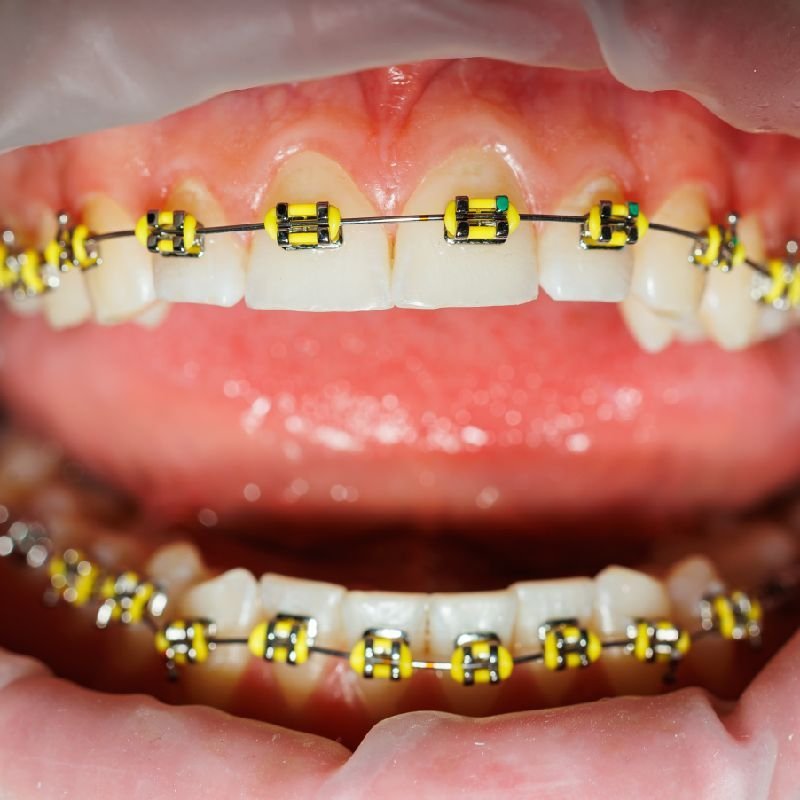
Metal braces use stainless steel brackets and wires. They're the most common choice for good reason.
- Durable: stainless steel handles everyday wear and is unlikely to chip or crack.
- Efficient: a reliable option for everything from mild crowding to complex bites.
- Fun to personalize: kids and teens often love choosing new elastic colors at each visit.
Ceramic braces
Ceramic braces work just like metal braces, but the brackets are made from a tooth-colored or clear material that blends in with your smile.
- Discreet: much less noticeable in photos and conversation.
- A little more delicate: ceramic is more brittle than steel, so brackets can chip if you bite something hard.
- Mind the elastics: clear ties can pick up stains from coffee, tea, curry or tomato sauce between visits, so many patients choose a light or tooth-colored option.
Gold braces
Gold braces have the same strength and function as traditional braces, finished with a polished gold color. They're a style choice for patients who want their braces to stand out rather than blend in.
- Distinctive look: a warm finish that many people find more stylish than silver.
- Same performance: they move teeth the same way metal braces do.
Side-by-side comparison
| Metal | Ceramic | Gold | |
|---|---|---|---|
| Look | Silver, visible | Tooth-colored, subtle | Gold, statement |
| Durability | Very high | Good; can chip | Very high |
| Staining | No | Elastics can stain | No |
| Popular with | Kids and teens | Adults and older teens | Teens and adults who like the look |
If durability and simplicity come first, choose metal. If you want braces that blend in, choose ceramic. If you want braces that look good on purpose, choose gold.
What about clear aligners?
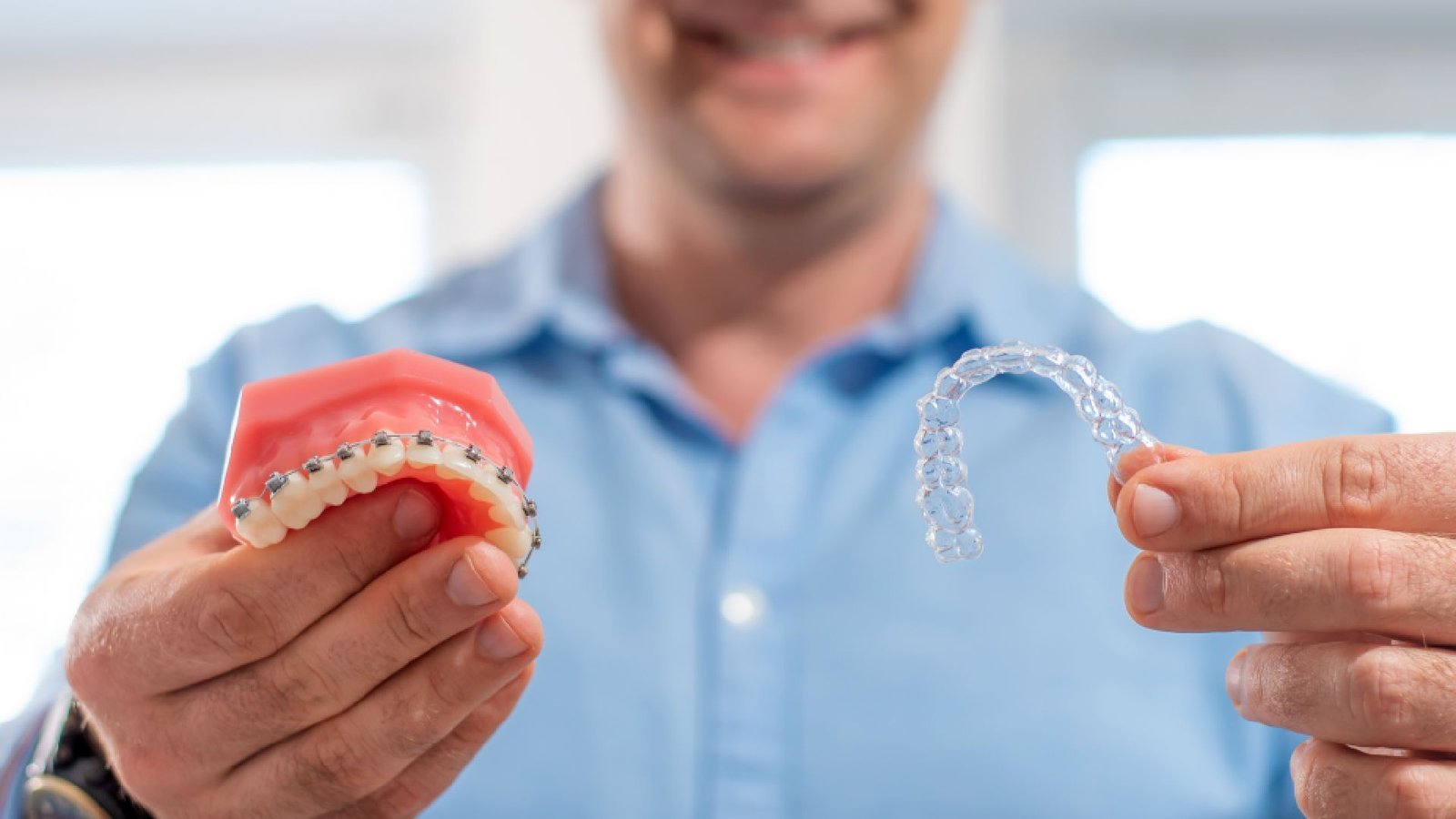
If you'd rather not have brackets at all, clear aligners may be an option. They're removable and nearly invisible, but they rely on you wearing them most of the day. We compare the two in detail in our guide to clear aligners vs. braces.
Making the choice
Your orthodontist will confirm which options suit your bite, then you can pick the look you prefer. You can also see all of our options on the types of braces page.
Frequently asked questions
Do ceramic braces take longer than metal braces?
Treatment time is driven mainly by how much your teeth need to move, not by the bracket material. Your orthodontist will give you an estimate for your specific case.
Do gold or ceramic braces cost more?
Cosmetic options can cost somewhat more than traditional metal braces. We will go through the costs for each option at your consultation.
Can I change the type of braces during treatment?
The bracket type is normally chosen at the start of treatment. Talk to your orthodontist about your preferences before your braces are placed.